
The UK government is introducing significant changes impacting the landscape of short-term rentals in England, with implications for taxes, planning, fire safety, and consumer protection.
Here’s a simple breakdown of the changes you NEED to be aware of:
FHL tax regime abolished
What does this mean for you?
1. Loan interest will be restricted to the basic rate of Income Tax, as finance cost restriction rules will now apply for FHLs.
2. Capital allowances will no longer be available for new expenditure.
3. FHLs will become eligible for replacement of domestic items relief in line with other property businesses.
4. No more access to tax relief on eligible gains for trading business assets.
5. Income generated from FHLs will no longer be considered within relevant UK earnings when maximum pension relief is calculated.

New short-let planning class
A new planning category is under discussion for short-term lets not considered someone’s primary residence. Currently serviced accommodation does not fit into C3 (Residential) or C1 (Hotels or Hostels), therefore they propose bringing in a new C5 class for serviced accommodation and furnished holiday lets.
Under the proposed changes, individuals will be required to obtain planning permission from the local council before converting their property into a short-term let.
What about existing Airbnbs & short-lets?
For established short-lets, it is believed that grandfather rights will be given, however it hasn’t been announced how they will award these rights. The industry best guess is that those on business rates will be awarded grandfather rights as this is who support was provided to short-lets by the government during the Covid-19 pandemic.

Fire Safety Legislation
Fire Risk Assessments
Conduct a fire risk assessment to identify potential hazards and implement measures to mitigate them. This involves evaluating the property layout, identifying potential fire sources, and planning escape routes.
Smoke Alarms and Detectors
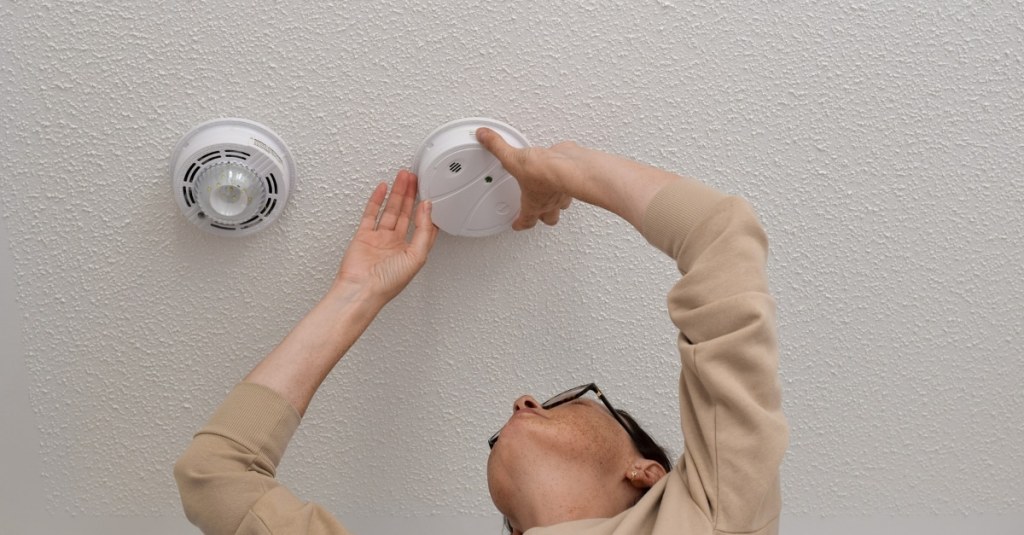
Install working smoke alarms on each floor of the property and in every habitable room. Regularly test between each changeover and maintain these alarms to ensure they are functioning properly and comply with your local laws.
Carbon Monoxide Detectors
Install carbon monoxide detectors if your property has gas appliances or a wood-burning stove.
Fire Extinguishers and Blankets
Provide fire extinguishers and fire blankets in accessible locations, such as the kitchen and main living areas.
Escape Routes & Emergency Lighting
Provide fire extinguishers and fire blankets in accessible locations, such as the kitchen and main living areas.
Furniture and Furnishings Regulations
Ensure that all furniture and furnishings comply with the Furniture and Furnishings (Fire) (Safety) Regulations 1988, which require that they meet specific fire resistance standards.
Fire Doors or Solid Doors
Make sure your doors comply with the most recent laws and regulation in your part of the country.
Conclusion
In conclusion, there are a range of changes coming in over the cominn months and years. Make sure you are prepared and that you keep your eye on the news to ensure you don’t fall foul of the changes